Product Overview
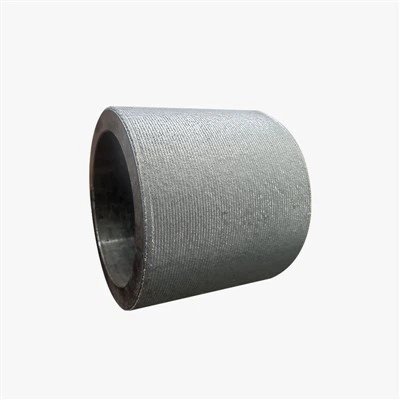
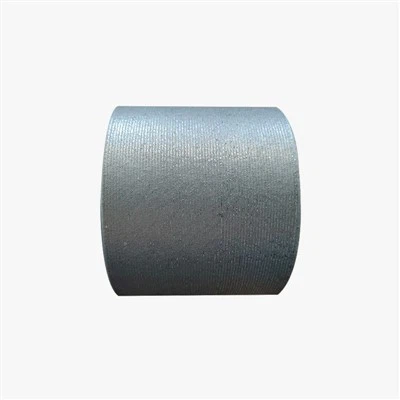
The cladding layer effectively resists high‑temperature oxidation, particle scouring and alternating hot‑cold cycling, avoiding common failures such as surface spalling, thermal‑fatigue cracking and rapid wear. It maintains stable cylindrical profile to prevent billet surface scratches and indentations. Both brand‑new manufacturing and remanufacturing services for used furnace discharge rollers are available.
Core Technology - Laser Cladding
High‑energy laser beam acts as heat source; alloy powder is synchronously fed into the molten pool. Powder and roller substrate melt and solidify rapidly to achieve reliable metallurgical bonding. Dilution rate is precisely controlled within 3%‑8% (premium grade below 5%), fully retaining intrinsic high‑temperature performance of cladding alloy. Nickel‑base superalloy or WC composite powder can be selected for heavy‑duty high‑temperature abrasive‑wear working conditions.
Key Product Features
✅ Reliable Metallurgical Bonding
The cladding layer forms genuine metallurgical bonding with roller base metal, achieving substrate‑level bonding strength. Resists peeling and cracking under heavy billet impact and severe repeated thermal cycling. It delivers far higher reliability compared with thermal‑spray coatings, reducing unplanned downtime for reheating furnace outlet section.
✅ Minimal Heat‑Affected Zone & Low Thermal Distortion
Concentrated laser energy input brings small molten pool and fast cooling speed. Overall roller deformation is strictly controlled, base‑material microstructure remains stable. Less post‑cladding grinding allowance is needed, well‑suited for hollow water‑cooled furnace discharge rollers with strict roundness and run‑out tolerance requirements.
✅ High Hardness & Outstanding High‑Temperature Wear‑Resistance
Surface hardness reaches HRC45‑55. For WC‑reinforced cladding, service life is 2‑5 times of conventional hard‑facing rollers and 5‑10 times of ordinary heat‑treated rollers. Excellent anti‑scouring performance against high‑temperature oxide scale and hot billet friction, keeping roller profile stable under long‑term high‑radiant‑heat service.
✅ Excellent High‑Temperature Oxidation & Thermal‑Shock Resistance
Nickel‑base alloy grades including Ni625 / Inconel625 support long‑time service under 500‑800℃ working temperature, resisting high‑temperature oxidation and thermal fatigue caused by alternating hot billet radiation and water cooling spray. Most discharge rollers adopt hollow inner water‑cooled structure to further lower roller‑body operating temperature.
✅ Localized Surface Strengthening & Roller Remanufacturing
Cladding treatment is applied only on the wear‑prone working cylindrical surface rather than full‑body cladding, saving expensive high‑temperature alloy raw materials and shortening production lead‑time. Worn, oxidized or dimension‑deviated old furnace discharge rollers can be restored to original drawing dimension and performance. ‑ Repair cost: 30%‑70% lower than brand‑new rollers ‑ Delivery cycle: shortened more than 50% ‑ Multiple repeated remanufacturing cycles are supported.
✅ Automated Manufacturing & Green Production
Produced by multi‑axis robotic laser cladding equipment with automatic powder feeding and intelligent path planning. Coating quality maintains high consistency for batch orders. Compared with traditional manual hard‑facing welding, it generates less smoke, spatter and energy consumption, complying with green‑manufacturing standards.
Application Scenarios
Specially designed for billet reheating furnace discharge roller table, located between reheating furnace outlet and roughing mill. Suitable for bar, rebar and hot‑strip steel production lines transporting square billets, rectangular blooms.
Performance Comparison
| Comparison Item | Laser‑Cladded Conveyor Roller for Reheating Furnace Discharge Table | Ordinary Heat‑Treated / Hard‑Faced Roller |
|---|---|---|
| Bonding Mode | Metallurgical bonding | Mechanical bonding / weak weld overlay |
| Thermal Deformation | Very small | Relatively large |
| Service Life under High‑Temperature | Greatly improved | Short, frequent replacement |
| Thermal‑Shock & Oxidation Resistance | Excellent, anti‑cracking & anti‑spalling | Easy oxidation, crack and coating peel‑off |
| Remanufacturable | Supports multiple repairs | Hard to repair |
| Influence on Billet Surface | Low scratch risk | High risk of billet surface defects |
Summary
Laser‑cladded conveyor rollers for billet reheating furnace discharge roller tables solve key pain‑points for furnace outlet rollers: rapid high‑temperature wear, thermal‑fatigue cracking, coating spalling and billet surface damage. It ensures stable hot billet transportation at furnace exit, reduces frequent roller replacement and maintenance shutdown, and cuts total operating cost for steel plants.
Custom cladding‑material selection, special dimension adaptation and remanufacturing quotation for used rollers are available. Please contact our technical team.
Hot Tags: conveyor roller for billet reheating furnace discharge roller table, China conveyor roller for billet reheating furnace discharge roller table manufacturers, suppliers, factory, conveyor rollers, conveyor side guide rollers, Heat resistant Accelerated Roller Conveyor, Laser Cladding Acceleration Roller Conveyor, Laser Cladding Tungsten Carbide Roller Conveyor, Wear resistant Accelerated Roller Conveyor